Best Practices for Surviving Stress
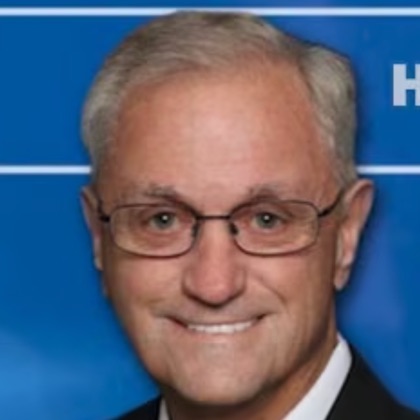 Course author Capt. M. Ron Eslinger, CRNA
Stress is part of every shift and every household. This course gives you one method for any stressful situation — alter it, avoid it or accept it — and a toolbox you can use the same day: lifestyle foundations, routines, relaxation, breathing, mindfulness and a stress log that turns all of it into a personal plan.
$199 10 PD hours
One-off course fee. No subscription, and nothing renews on its own.
In your cart Best Practices for Surviving Stress is in your cart, $199.
- Professional development. Certificate of completion. Not offered for continuing-education credit.
- The workbook, the exam and the certificate are included in the fee.
- You can retake the exam as many times as you need while your access lasts.
- Refund terms are set out in full on the refunds policy.
 Hypnotherapy
Course at a glance
Ten things you will be able to do afterwards
- Say where stress comes from, what it costs, and which occupations rank as the most stressful.
- Recognize how stress shows up as physical, emotional and behavioral symptoms.
- Use diet, exercise and sleep as the three foundations of a low-stress life.
- Choose between altering, avoiding and accepting a stressful situation — and say a “positive no”.
- Build routines for meals, clutter and to-do lists that take pressure off the day.
- Apply environmental and physical relaxation techniques: a personal sanctuary, music, humor, stretches, tensing and relaxing.
- Perform the relaxing abdominal breath, and name the three hormones the course material links to it.
- Explain what mindfulness is, and practice it.
- Prepare for a major life event, and know when to ask for professional help.
- Keep a three-week stress log and build your own stress-management plan from it.
Four lectures, nine exercises, one workbook
| Module | What it covers | Run time |
|---|---|---|
| Orientation | Attestation, course overview and objectives, how completion works, and the course workbook | Reading |
| 1 · Stress cost, implications and prevention | The scale of the problem, the body’s stress response, symptoms, eustress, diet, exercise and sleep | 90 min |
| 2 · Best practices, part 1 | The limbic system, alter, avoid, accept, the positive no, routines and to-do lists | 106.6 min |
| 3 · Best practices, part 2 | Sanctuary, music, humor, stretches, tensing and relaxing, major events, seeking help, the stress log | 98.5 min |
| 4 · Seven techniques in mindfulness | The relaxing breath, meditation, imagery and mindfulness | 65.6 min |
| 5 · Practice exercises | Nine guided exercises: the relaxing breath, stress and strength, counting down to relaxation, lemon guided imagery, raisin, your relaxing place, tranquility, a relaxing beach walk, and an optional mindfulness meditation exercise | ~51 min |
Total recorded media: 6 hours 52 minutes. Workbook reading, your stress log and the exam are on top of that, and none of them is timed.
Anyone whose working day produces more stress than it absorbs
Hypnotherapists and practitioners
Practitioners who want techniques short enough to use between clients, not a weekend retreat.
Nurses, for their own long days
Nurses and nurse anesthetists who want the method for themselves. It is professional development, not continuing-education credit.
Anyone who wants the method
Other healthcare professionals who want a structured way to handle their own stress. No prior training is needed.
What this course is
Professional development. Certificate of completion. Not offered for continuing-education credit.
You will receive a certificate of completion, which records your name, the date, the hours of instruction and the exam you passed. It is a record of what you did. It is not a statement that any board will count it.
If continuing-education credit is the reason you are buying, this course will not provide it.
Seven steps, completed in order
- Confirm the course attestation.
- Read the overview and download the workbook.
- Watch the four lectures.
- Complete the eight practice exercises. The ninth, a mindfulness app exercise, is optional.
- Pass the final exam at 80% or higher. Retake it as often as you need.
- Complete the learner assessment and program evaluation.
- Download your certificate of completion.
The course is self-paced and your progress is saved, so you can stop and come back.
Four things worth knowing first
It is not therapy
The course teaches personal stress-management skills. It does not replace care from a health professional, and it says so inside as well as here. If stress is affecting your health or safety, the course points you at professional help, starting with an employee assistance program if you have one.
Two exercises need a little preparation
Exercise 5 needs one raisin. Exercise 2 is a short demonstration that works better with another person in the room. Neither is a surprise you should meet halfway through.
You will want headphones
Six of the exercises are audio, and several ask you to close your eyes. A quiet place matters more than a fast connection.
No continuing-education credit
This course is professional development. If you need credit for a renewal, see the RN & LPN lane.
The things people ask before they pay
Does this course award CE credit?
No. Professional development. Certificate of completion. Not offered for continuing-education credit.
How long does the course take?
The lectures and timed exercises run about 6 hours 52 minutes. Allow extra for the workbook, your stress log and the exam. You work at your own pace and nothing expires for a year.
What do I need to pass?
A score of 80% or higher on the final exam, which draws 100 questions from a bank of 146. You can retake it as many times as you need within your access period. After passing you complete a short evaluation, and then the certificate is yours to download.
Can I use the techniques at work?
Yes, and most of them were built for it. The relaxing breath, the positive no, a to-do list and the short stretches are all designed to fit inside a working day rather than around it.
Other hypnotherapy-lane courses
Ten PD hours, nine exercises, $199
One fee, one year of access, the workbook and the exam included.